Rhinestone: The Handwritten Font for Charming Design
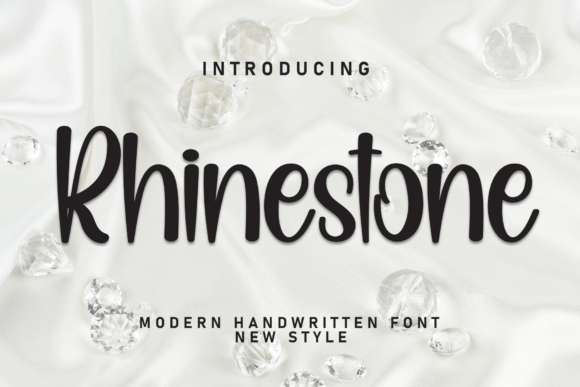
In a digital landscape saturated with clean, geometric sans-serifs, finding a typeface that conveys genuine warmth and personality can transform a project from sterile to sensational. The Rhinestone font, a charming handwritten style, does exactly that. Its smooth, flowing strokes and playful curves infuse designs with a sense of whimsy and approachability, making it a powerful tool for designers seeking to create an immediate emotional connection with their audience.
Understanding the Role of Script Fonts in Modern Design
Typography is a cornerstone of visual hierarchy and brand identity. While body text demands readability, display fonts like Rhinestone are crafted for impact and emotion. In graphic design, such script fonts serve as visual anchors that convey a brand's voice before a single word is read. They are not merely decorative; they are strategic assets in a designer's toolkit, crucial for setting a tone that is friendly, artisanal, or celebratory. Choosing the right handwritten font involves evaluating its legibility at various scales, its compatibility with your color palette, and its ability to align with your broader design goals.
Practical Applications for the Rhinestone Font
The true value of a creative asset lies in its versatility. Rhinestone’s inviting charm makes it exceptionally adaptable across numerous creative projects. Its application can significantly enhance user engagement and visual appeal in the following contexts:
- Branding and Logo Design: Use Rhinestone to craft a memorable wordmark or a complementary logotype for businesses in lifestyle, beauty, food, or boutique retail. It instantly communicates a personal, handmade quality.
- Packaging Design: Elevate product labels, tags, and boxes. The font’s whimsical nature can make unboxing an experience, reinforcing a brand’s story and perceived value on the shelf.
- Social Media Graphics: Create scroll-stopping posts, stories, and thumbnails. Its friendly aesthetic is perfect for quotes, announcements, and calls-to-action that aim to feel personal and shareable.
- Website and UI Design: Strategically deploy Rhinestone in hero sections, menu items, or accent text to break the monotony of standard web fonts and guide the user’s eye with a touch of flair.
- Editorial and Print Design: Add a dynamic element to magazine layouts, book covers, or wedding invitations, where it can highlight key information and infuse the page with personality.
Integrating Rhinestone into Your Design Workflow
To leverage such a font effectively, consider its context within the entire visual design system. Pair it with a clean, neutral sans-serif for body text to ensure readability and create a balanced typographic scale. Always test the font in its intended environment—view it on a mobile screen, in a mockup, or printed at size to assess its legibility. Remember, the goal is to enhance communication, not hinder it. A thoughtful design workflow involves pairing expressive display fonts like Rhinestone with more functional typefaces to create a harmonious and professional presentation.
Ultimately, the fonts you choose are fundamental to your brand identity and the quality of your visual communication. A typeface like Rhinestone is more than just a set of characters; it’s a creative resource that can set the mood, tell a story, and build a bridge between a brand and its audience. By prioritizing fonts that align with your project’s emotional core and practical requirements, you invest in designs that are not only beautiful but also profoundly effective.