Antelopia: A Vintage Script for Modern Design
In the vast landscape of digital typography, a single font can become the defining character of a brand's story. Antelopia is one such typeface—a rough, handwritten script that masterfully blends a vintage aesthetic with contemporary utility, offering designers a tool to inject personality and authenticity into any creative project.
The Visual Power of a Handcrafted Aesthetic
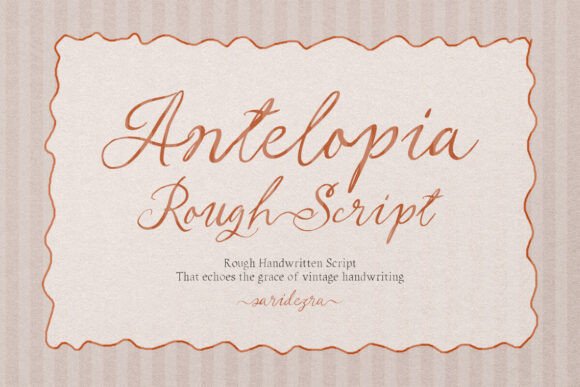
Antelopia’s appeal lies in its intentional imperfection. The rough, hand-lettered texture and vintage feel provide an immediate sense of warmth and human touch, which is a powerful antidote to the sterile, overly polished digital designs that dominate many spaces. This font doesn't just display words; it conveys mood, emotion, and a story. Its initial and end swashes are particularly noteworthy, allowing for elegant, flowing compositions that make headlines, logos, and monograms appear uniquely personal and engaging.
From a graphic design perspective, Antelopia serves as a strategic creative asset. It can act as a visual cornerstone for a brand identity, especially for businesses aiming to communicate craftsmanship, nostalgia, romance, or artisanal quality. Think of a boutique coffee roaster, a handcrafted jewelry brand, or a vintage-inspired wedding planner—their visual language is instantly elevated by a font that feels both timeless and bespoke.
Practical Applications Across Design Disciplines
The versatility of Antelopia extends far beyond a single use case. Its character makes it suitable for a wide array of creative projects where a personal touch is paramount.
- Branding and Logo Design: Create a distinctive logotype that stands out in a crowded market. The swashes add a level of sophistication and custom flair that generic fonts cannot match.
- Marketing and Social Media Graphics: Use it for hero text on posters, quote graphics for Instagram, or call-to-action elements in digital ads to capture attention and evoke emotion.
- Print and Editorial Design: Apply it to wedding invitations, event programs, magazine mastheads, or book covers to establish a specific thematic tone from the first glance.
- Packaging and Merchandise: Enhance product labels, tags, and merchandise with a handwritten script that suggests quality and care, directly influencing perceived value.
- Digital Products and UI Elements: While not suited for body text, it can beautifully highlight feature headings, buttons, or onboarding screens in apps and websites to create a memorable user experience.
Integrating Antelopia into a Cohesive Design System
Effective typography is about context and balance. When incorporating a script font like Antelopia, thoughtful application is key to maintaining readability and visual hierarchy.
First, consider contrast. Pair Antelopia with a clean, simple sans-serif or serif font for body text. This contrast ensures the script font’s artistic details shine without compromising legibility for longer passages. Second, use it sparingly for maximum impact. Reserve it for headlines, logos, pull quotes, or short phrases where its personality can be fully appreciated. Overusing a decorative font can overwhelm a design and dilute its effect.
Finally, always evaluate it against your color palette and overall composition. Antelopia works exceptionally well with earthy tones, muted pastels, and classic black and white. Its rough texture can add depth to flat designs and complement other vintage or rustic visual elements. By treating Antelopia not just as a font but as a core component of your visual design strategy, you can unlock its full potential to create professional, emotionally resonant, and highly effective communications.
Choosing the right creative assets is a fundamental part of the design workflow. A resource like Antelopia demonstrates how a carefully crafted typeface can do more than present information—it can shape perception, build brand affinity, and transform a standard design into a compelling visual narrative. In the pursuit of quality and impact, investing in typography that carries genuine character is an investment in clearer, more beautiful communication.